
10 Things You Didn’t Know About Lions in Queen Elizabeth National Park.

Best Time to See Baby Animals in Uganda’s National Parks
February 28, 2025
Chimpanzee Trekking in Rwanda
February 28, 2025
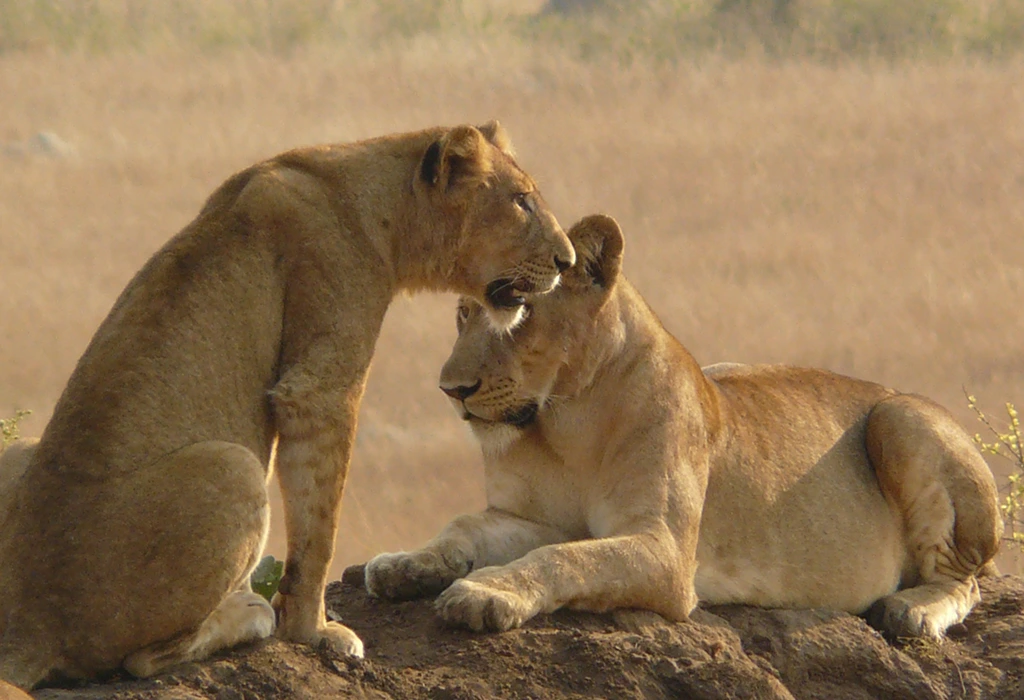
Queen Elizabeth National Park, a jewel in Uganda’s crown, is home to diverse wildlife, including the iconic African lion. While you may know that these kings of the savannah rule the land, there are numerous fascinating facts about lions in Queen Elizabeth National Park that many visitors might not be aware of. Whether you’re planning to book a safari with Wagatil Safaris or are simply a wildlife enthusiast, here are 10 things you didn’t know about the lions in this stunning park.
The Lions of Queen Elizabeth Are Known for Their Tree-Climbing Behavior
In a rare and astonishing twist, lions in Queen Elizabeth National Park have developed the unique habit of climbing trees. While it’s widely recognized that leopards are tree climbers, these lions, particularly in the Ishasha region of the park, exhibit an unusual behavior. They can be seen lounging on tree branches, seemingly unaware of their massive size. Scientists speculate that this behavior could be a way for the lions to escape biting insects, like tsetse flies, or to gain a better vantage point for spotting prey.
At Wagatil Safaris, we make sure that tree-climbing lions are on the list of must-see wildlife during your safari.
Lion Numbers in Queen Elizabeth National Park Have Been Increasing
Thanks to conservation efforts and the continuous work of national parks authorities, the lion population in Queen Elizabeth National Park has been steadily increasing over the years. From a worrying decline in the past, today, there are over 100 lions thriving in the park, making it one of the most successful conservation stories in Uganda. The increased lion population is a testament to the effectiveness of both local and international conservation efforts.
Join Wagatil Safaris, and you’ll have the opportunity to see this incredible success in person. Watch as these powerful creatures roam freely in the park’s vast savannahs.
They Have Unique Roars That Can Be Heard from Miles Away
The roar of a lion is one of nature’s most powerful sounds. In Queen Elizabeth National Park, lions’ roars can travel as far as 5 miles across the savannah. Their deep, resonating growls are a crucial part of their communication strategy. Lions use their roars to mark territory, call to other members of their pride, or signal their dominance. The sound can send chills down your spine during your safari adventure.
When you embark on a safari with Wagatil Safaris, keep your ears open and your camera ready—there’s a chance you might hear a lion’s roar echoing through the wild.
Lions are known for being social animals, and in Queen Elizabeth National Park, their complex social structures are a sight to behold. The lions live in prides, which typically consist of related females, their cubs, and a few males. Males usually remain in the pride for only a short time before they are replaced by younger, stronger males. This structure helps maintain the health of the pride and ensures that the cubs have the best chance at survival.
On a safari with Wagatil Safaris, you can observe this fascinating dynamic up close. Spotting a pride of lions is an unforgettable experience for any wildlife lover.
They Hunt in Groups for Maximum Efficiency
Unlike solitary hunters like leopards, lions in Queen Elizabeth National Park often hunt in groups. This team strategy increases their chances of catching prey. Female lions are usually the primary hunters, coordinating their movements to surround and take down prey, such as antelope, buffalo, and sometimes even elephants. Male lions, on the other hand, help protect the pride during hunts but often wait for a share of the spoils.
With Wagatil Safaris, you can watch these expert hunters in action. Our guides will ensure you understand the teamwork behind their successful hunts.
The Lions in Queen Elizabeth Are Famous for Their Golden-Maned Males
Male lions are known for their impressive manes, but the lions in Queen Elizabeth National Park are particularly famous for their rich, golden manes. The size and color of a lion’s mane are determined by genetics, and the males in this park exhibit some of the most beautiful and thickest manes in Africa. These manes serve to attract females and signal strength and maturity to other males.
Wagatil Safaris offers guided tours where you can see these magnificent golden-maned lions up close, and our experienced guides will tell you all about their role in the pride’s hierarchy.
Lions Are Most Active During the Cooler Hours
While lions can be seen at various times of the day, they are most active during the cooler hours of dawn and dusk. During the heat of midday, lions typically rest in the shade to conserve energy. It is during these early and late hours that they engage in hunting, playing, and socializing. For the best chances of seeing lions active in the wild, it’s advisable to go on early morning or evening safaris.
At Wagatil Safaris, we ensure that you’re on the right schedule to catch lions in their most active and thrilling moments.
Lion Cubs Are Born with Spots
A fascinating aspect of lion cubs is that they are born with spots, which fade as they mature. These spots are believed to offer camouflage, helping the young cubs blend into their surroundings and avoid predators. As the cubs grow older, their fur becomes more uniform in color, and they begin to develop the familiar tawny coat seen on adult lions.
While on a safari with Wagatil Safaris, you may be lucky enough to spot a group of cubs playing or following their mothers through the bush, experiencing their playful side before they fully mature.
Lion Conservation in Queen Elizabeth National Park Is a Collaborative Effort
The conservation of lions in Queen Elizabeth National Park is a joint effort involving various local and international organizations. Wagatil Safaris works closely with park authorities and conservation groups to promote responsible tourism that contributes to lion conservation. Your visit directly supports these initiatives, ensuring that future generations of travelers can witness the magnificence of these creatures in the wild.
By booking a safari with Wagatil Safaris, you are contributing to these vital conservation efforts, helping protect lions and other endangered species in the park.
Queen Elizabeth National Park Is Home to Rare White Lions
One of the most unique aspects of the lion population in Queen Elizabeth National Park is the presence of rare white lions. These lions are not albino, but rather a genetic variant that causes their coats to be pale, almost white. White lions are a rare sight, and spotting one is an unforgettable experience for any safari-goer. The white lions in Queen Elizabeth National Park are a result of years of careful breeding and conservation efforts.If you’re lucky enough, a safari with Wagatil Safaris may give you the once-in-a-lifetime opportunity to see these majestic creatures in the wild.
The lions of Queen Elizabeth National Park are truly one of Africa’s most majestic animals. Their behavior, social structure, and conservation success stories are just a few of the reasons why this park is a must-visit for any wildlife enthusiast. Whether you’re interested in seeing tree-climbing lions, learning about their hunting strategies, or experiencing the beauty of rare white lions, Wagatil Safaris offers you the chance to explore the rich biodiversity of this incredible destination. Book your safari with us today and witness the kings of the savannah in their natural habitat!


