
Are There Chimpanzees in Burundi? A Surprising Guide to Kibira National Park

What Can You Do in Kigali at Night as a Tourist? 11 Enjoyable Evening Ideas
September 28, 2026
Chimpanzee Trekking and Canopy Walk in Nyungwe: 7 Amazing Planning Tips for One Day
September 29, 2026
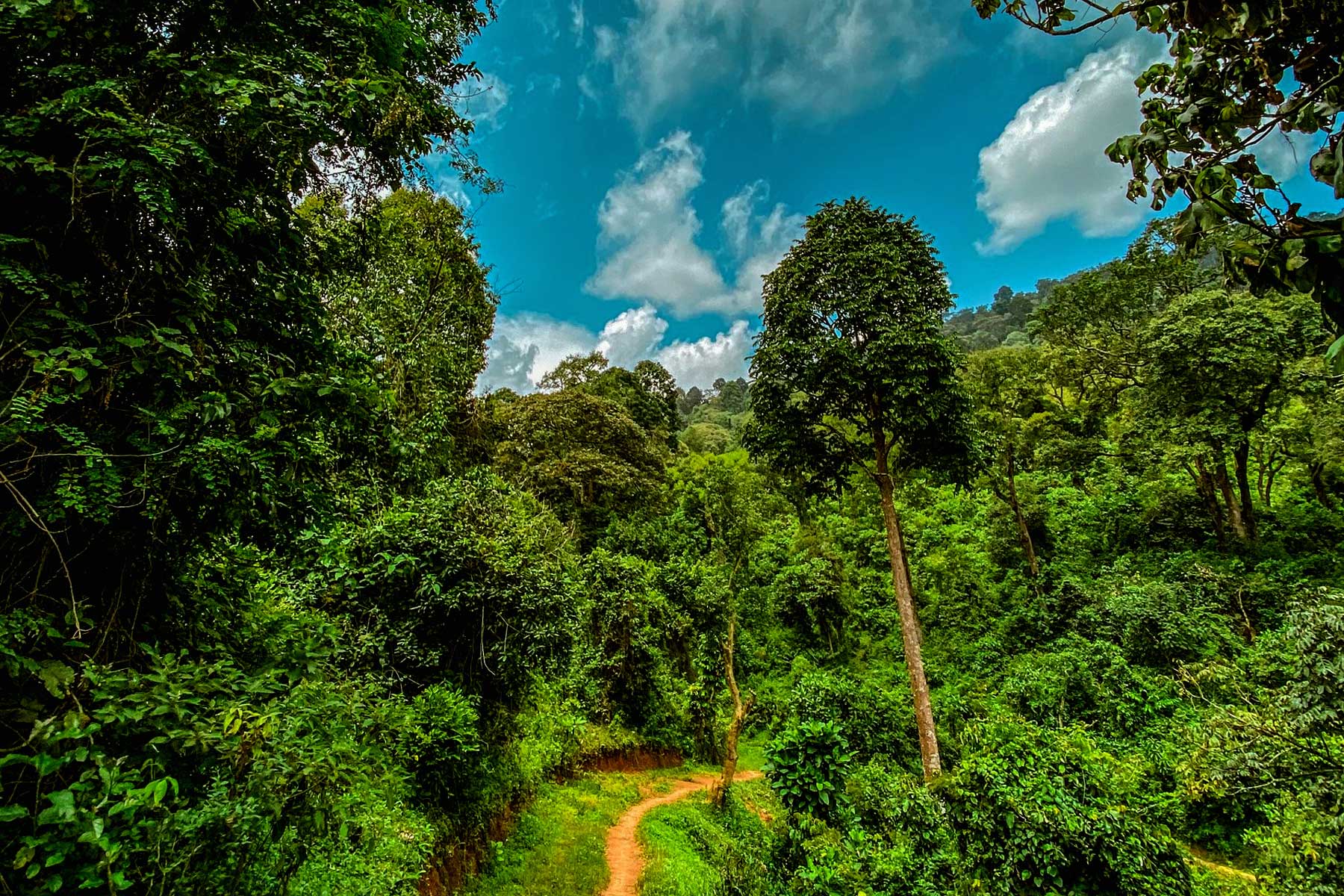
Chimpanzees in Burundi
Chimpanzees in Burundi are real. Wild eastern chimpanzees have been documented in Kibira National Park, a forest in the northwest of the country. For travellers researching East African primates, this is an interesting discovery: Burundi is rarely the first destination mentioned when people talk about chimpanzees.
The next question is more complicated. Knowing that chimpanzees live in Kibira does not mean tourists can currently book a regular chimpanzee trek there or expect to see them on a forest walk. Wildlife research, park access, visitor activities and travel advice are separate matters. Each needs checking before Kibira is placed in a safari itinerary.
This guide explains where Burundi’s chimpanzees have been recorded, what the research tells us and how a traveller should think about visiting. It also compares Kibira with established chimpanzee trekking destinations in neighbouring Uganda and Rwanda.
Are There Chimpanzees in Burundi?
Yes. Researchers have studied eastern chimpanzees (Pan troglodytes schweinfurthii) in Burundi’s Kibira National Park. A published population study examined evidence of chimpanzees across the park and estimated their abundance using field surveys conducted between 2011 and 2013.
That research establishes the answer to the wildlife question: Kibira is chimpanzee habitat. It does not establish a present-day count for every part of the forest, nor does it confirm a tourism programme that visitors can book today.
This distinction matters for a travel article. It would be misleading to tell readers that Burundi has no chimpanzees. It would be equally misleading to sell Kibira as if it offered the same established visitor experience as Uganda’s Kibale National Park without confirming that such an activity is operating.
For travellers whose main goal is to see chimpanzees on a safari, the practical question is therefore more specific: where can they arrange an organised activity with current access information, trained guides and a booking procedure?
Where Do Chimpanzees Live in Burundi?
The best-documented location is Kibira National Park in northwestern Burundi. It is part of a forested landscape close to Rwanda’s Nyungwe National Park, although the two parks are administered by different countries.
Kibira’s forests provide habitat for more than chimpanzees. The park is important because it protects part of a wider ecosystem in a heavily populated region. Its conservation value exists whether or not a particular visitor sees wildlife during a short trip.
The published Kibira chimpanzee study focused on the species’ density and abundance. It is a useful source for confirming their presence, but the study’s fieldwork took place more than a decade ago. Avoid presenting its estimate as a live count of chimpanzees in 2026 or a prediction of tourist sightings.
If you see a recent article giving an exact population figure, ask where the number came from, when the survey took place and what methods were used. Estimates from different years cannot automatically be read as a precise year-by-year count.
What Is Kibira National Park?
Kibira is a protected forest landscape in Burundi’s northwest. For wildlife researchers and conservationists, its significance lies partly in its chimpanzees and other forest species and partly in its connection to the broader forest ecosystem along the Rwanda–Burundi region.
A forest can be valuable to biodiversity without operating like a developed safari park. Visitor roads, accommodation, guiding arrangements, research access and wildlife viewing opportunities do not necessarily develop at the same pace.
That is why a description of Kibira should begin with what can be verified. It is a habitat for wild chimpanzees. Any claim that a specific tourist trek, permit, briefing point or guaranteed guide is available for a future travel date requires separate confirmation from the relevant authorities and local operators.
The park also raises a current travel-planning concern. The UK government’s Burundi travel advice advises against all travel on the main RN6 and RN10 roads running west from Kayanza through Kibira towards Cibitoke. Travellers should review current advice for their nationality and proposed route before considering a visit.

Kibira National Park
How Do Researchers Know Chimpanzees Are There?
Chimpanzees are not always easy to count by watching individuals directly. They move through extensive forest habitat, and groups may be far from trails when researchers arrive.
The published Kibira study used field research to estimate population density and abundance. Such work provides evidence that chimpanzees inhabit the park, while also recognising uncertainty in the final estimate.
For a traveller, the most important lesson is that scientific evidence of a population differs from a reliable wildlife encounter. A researcher may establish that chimpanzees use a forest even when a visitor has little chance of finding them during a brief walk.
This difference also affects how the experience should be marketed. “Chimpanzees occur in Kibira” is supported. “You will trek a habituated chimpanzee group in Kibira” needs current evidence of an operating visitor programme and should never be assumed from the research alone.
Can Tourists Trek Chimpanzees in Burundi?
Do not assume that you can book a standard Kibira chimpanzee trek. I could confirm published evidence of wild chimpanzees, but I could not verify a current official booking system for a regular chimpanzee tracking experience comparable to those promoted in Kibale or Nyungwe.
Even if a guided forest visit can be arranged at some point, that would not automatically mean it is a chimpanzee trek. A forest walk may focus on scenery, plants, birds or general wildlife, with a chimpanzee sighting remaining a possibility rather than the purpose of the activity.
Before advertising or paying for a Kibira chimpanzee experience, request written details from the appropriate park authority or an operator able to verify the arrangement. Ask where visitors enter, whether chimpanzee tracking is authorised, who guides it, what the price includes and whether the proposed route is appropriate under current travel advice.
A tour description should reflect the answer you receive. If the activity is simply a guided forest walk, call it that. Do not relabel it “chimpanzee trekking” to make the itinerary sound more exciting.
Why Is Seeing Wild Chimpanzees Different From Finding Them on a Trek?
A wild chimpanzee population can range across a large forest. Chimps may travel, feed and rest in areas far from where a visitor is walking. Their movements are affected by conditions that cannot be scheduled around a traveller’s arrival.
Established chimpanzee tracking destinations organise the visitor experience around park procedures, guides and groups accustomed to monitored human visits. Even there, a wildlife sighting is never an absolute guarantee.
In a forest without a confirmed tourist tracking programme, the difference can be greater. A general walk may be rewarding, but visitors should not buy it expecting the same type of chimpanzee encounter described in a Kibale chimpanzee tracking activity.
For safari planning, honesty about that difference helps travellers choose the right destination. Someone fascinated by Kibira’s conservation story may have different priorities from a first-time visitor whose dream is to observe chimpanzees in the wild.
Is Kibira the Same Forest as Nyungwe?
Kibira and Rwanda’s Nyungwe belong to a connected regional forest landscape, but they are not the same national park. Kibira is in Burundi; Nyungwe is in Rwanda. Each country has its own park administration, visitor arrangements and entry requirements.
This can cause confusion because Nyungwe is already known for chimpanzee trekking. A traveller might assume that the forest continues over the border and offers an equivalent activity on the Burundi side. That conclusion does not follow automatically.
Wagatil Safaris has a detailed page on Nyungwe Forest National Park, including its chimpanzee experience. Read it for information about the Rwanda park, while keeping the Burundi question separate.
There is also a transport issue. Burundi’s land border with Rwanda is currently closed according to Burundi regional travel advice. A map showing the forests side by side should not be used to propose a direct tourist drive from Nyungwe into Kibira.
Can You Combine Nyungwe and Kibira on One Trip?
A trip that includes both Rwanda and Burundi requires careful transport planning. Do not treat Nyungwe and Kibira as two stops joined by an ordinary park-to-park road transfer.
Before building such an itinerary, confirm whether there is a practical flight connection, where you would enter Burundi and whether visiting the proposed area of Kibira is suitable under current travel advice. The border situation makes the route very different from a simple forest extension.
For most travellers primarily seeking chimpanzees, Nyungwe can be evaluated as the chimpanzee destination in the Rwanda portion. Kibira is better discussed as a separate conservation subject unless current park access and a suitable visitor activity are verified.
Wagatil’s comparison of chimpanzee trekking in Kibale and Nyungwe helps travellers choose between two clearer primate itinerary options.
Is Kibira National Park Safe to Visit?
This question must be answered using current advice for the proposed route, rather than a general statement about the country or an old travel blog. At the time of writing, the UK government advises against all travel on the RN6 and RN10 roads running west from Kayanza through Kibira National Park towards Cibitoke.
The same Burundi travel advice describes risks in parts of the country. Conditions and advice can change, and other governments may issue guidance for their own citizens.
Because the warning specifically names roads through Kibira, it is directly relevant to a proposed park visit. Do not publish a ready-to-book Kibira chimpanzee itinerary without first establishing a suitable, currently operating route and activity.
A traveller interested in Burundi’s wildlife can still learn about Kibira and its chimpanzees. Learning about the park, however, does not oblige a visitor to enter an area for which the relevant travel guidance warns against travel.
Where Is a More Established Chimpanzee Trekking Option?
For travellers who want to arrange a chimpanzee trek as part of an East African safari, Uganda’s Kibale National Park and Rwanda’s Nyungwe National Park are more straightforward places to research.
Uganda Wildlife Authority describes chimpanzee tracking in Kibale. This gives a visitor a clear starting point for asking about current permits, rules and availability.
Wagatil Safaris also covers the best places to see chimpanzees in Uganda and compares Kibale with Nyungwe. These guides help travellers choose an experience that fits their route.
No destination can promise a sighting of a wild animal. The planning advantage is the ability to confirm that a specific visitor activity is organised and bookable before building an expensive holiday around it.
Kibira, Kibale and Nyungwe: What Is the Difference?
The names Kibira and Kibale look similar, but they refer to parks in different countries. That small spelling difference can lead to a major itinerary mistake.
Kibira National Park is in Burundi. Scientific research documents wild chimpanzees there. A current, regular chimpanzee tracking product should not be assumed without direct confirmation, and current travel guidance raises concerns about roads through the park.
Kibale National Park is in Uganda. Uganda Wildlife Authority publishes information on chimpanzee tracking there, making it a destination travellers can investigate for a planned primate safari.
Nyungwe National Park is in Rwanda. It offers a chimpanzee experience that can be incorporated into an appropriately paced Rwanda itinerary. Wagatil explains the Rwanda park on its Nyungwe destination page.
When a traveller asks for “chimpanzees in Kibira,” repeat the country name in the reply. This helps establish whether they really mean Burundi’s Kibira or Uganda’s Kibale.

A young chimpanzee in Rwanda’s Nyungwe Forest National Park; this image was not taken in Burundi.
Could Burundi’s Chimpanzees Be a Blog Topic Without Selling a Trek?
Yes. The wildlife and conservation story is interesting on its own. Readers may want to know that chimpanzees live in Burundi, where they have been studied and why the forest matters.
A useful article should explain the limits of the available evidence. A population estimate belongs to the period when researchers collected their data. It should not be presented as a current census unless a newer comparable study has been checked.
It should also explain the visitor limits plainly. If a bookable tracking programme cannot be verified, avoid language such as “join us for a Kibira chimpanzee trek” or “book your chimp permit now.”
For Wagatil Safaris, this approach gives readers a truthful answer and still helps them plan a primate trip. Travellers seeking a confirmed trek can explore Uganda chimpanzee safaris or the Kibale and Nyungwe comparison.
Why Does Kibira’s Chimpanzee Population Matter?
Chimpanzees are part of the forest ecosystem. Documenting their presence helps researchers and conservation groups understand the importance of protecting their habitat and monitoring changes over time.
The published population research is valuable because it provides a documented basis for discussing chimpanzees in Burundi. Without such work, travel articles can easily repeat claims without showing where the information came from.
Conservation questions extend beyond the number of animals counted during one study. The condition of the forest, pressures on habitat and the ability to monitor chimpanzees over time all matter.
Tourism may eventually be part of a conservation discussion, but it should not be presumed to exist or to benefit wildlife automatically. Any visitor programme needs clear management, suitable access and rules designed around the animals and the people entering the forest.
Are There Other Primates in Kibira?
Kibira is a forest habitat, and descriptions of the park mention other primates in addition to chimpanzees. A traveller interested in the broader ecosystem may therefore find the park scientifically interesting even without a promised chimpanzee sighting.
For a visitor itinerary, however, each claimed activity still needs current verification. Knowing that a species occurs in a park does not tell you whether a guided walk to observe it is offered, how access is managed or whether a sighting is likely.
Avoid making a list of animals sound like a guaranteed wildlife checklist. This is particularly important for dense forests, where even species present in the habitat may remain unseen.
If primate viewing is the main goal of the holiday, discuss the alternatives before choosing the destination. Wagatil’s guide to gorilla trekking versus chimpanzee trekking explains how those two experiences differ.
Can You See Gorillas in Burundi as Well?
Do not confuse Burundi’s chimpanzees with the mountain gorilla trekking destinations in neighbouring countries. A trip built around gorillas should use a destination where the relevant gorilla trekking activity is offered and permits can be confirmed.
In Uganda, travellers commonly plan gorilla trekking in Bwindi or Mgahinga. Rwanda offers gorilla trekking in Volcanoes National Park. Wagatil’s Uganda and Rwanda gorilla trekking guide explains those choices.
If a traveller wants both gorillas and chimpanzees, the itinerary should pair established experiences with realistic transfers. For example, a properly paced Uganda safari could combine Kibale chimpanzees with a Bwindi gorilla trek.
Adding Burundi purely because Kibira has wild chimpanzees may complicate that trip without providing a confirmed tracking activity. Choose Burundi for experiences that can actually be arranged and assessed for the dates of travel.
How Should a Traveller Research a Kibira Visit?
Begin with the latest travel advice for the nationality of the people travelling. Check the specific region and roads involved, not only the country overview. The present warning about roads through Kibira makes this an essential first step.
Next, seek direct confirmation of whether the park is accepting visitors, which entrances are in use and what activities are authorised. Ask who manages guiding and whether a proposed chimpanzee activity is a formal, currently operating programme.
Finally, confirm transport, accommodation and entry documents. Burundi is not covered by the East African Tourist Visa, which Uganda’s immigration authority says applies to Uganda, Kenya and Rwanda only.
If any essential part of the plan cannot be verified, do not sell it as a confirmed chimpanzee safari. You can still give the traveller accurate information about Kibira while suggesting an established trekking option elsewhere.
Should You Add Kibira to a Uganda, Rwanda and Burundi Safari?
Only consider a park visit after checking current access and travel guidance. The existence of chimpanzees alone is not a sufficient reason to add a difficult or unsuitable stop to a multi-country route.
If your itinerary already includes Uganda, you could arrange an established chimpanzee activity in Kibale. If your route spends more time in Rwanda, Nyungwe may be the more natural choice. Either decision should be based on availability, transport and your interests.
Burundi could still form a separate part of a wider trip for appropriately arranged experiences. Keep its activities distinct from a promised Kibira chimpanzee encounter unless that encounter has been explicitly confirmed as possible and suitable.
For route planning, read Wagatil’s article on combining Rwanda and Uganda in one safari before deciding how many countries and park stops your available days can support.
Frequently Asked Questions About Chimpanzees in Burundi
Are there wild chimpanzees in Burundi?
Yes. Published field research documents eastern chimpanzees in Burundi’s Kibira National Park.
Where in Burundi are chimpanzees found?
Kibira National Park in the country’s northwest is the location covered by the published population study.
Can tourists book chimpanzee trekking in Kibira?
Do not assume so. A current, regular official visitor programme needs direct confirmation before it is advertised or included as a booked safari activity.
Does seeing chimpanzees in a research study mean I will see them on a walk?
No. Research establishes that chimpanzees inhabit the forest. It does not guarantee that visitors will encounter them on any given day.
Are Kibira and Kibale the same park?
No. Kibira is in Burundi. Kibale is in Uganda. Uganda Wildlife Authority publishes a chimpanzee tracking activity for Kibale.
Is Kibira next to Nyungwe?
They are part of a connected regional forest landscape, but they are parks in different countries. Current border and travel conditions must be checked; do not assume a direct tourist road transfer between them.
Should I choose Kibira or Kibale if chimpanzee trekking is my main goal?
Investigate Kibale if you want to plan an established chimpanzee tracking activity. Treat Kibira as an important chimpanzee habitat whose current tourism access requires separate verification.
Final Answer: Are There Chimpanzees in Burundi?
Yes, there are chimpanzees in Burundi. Scientific research documents wild eastern chimpanzees in Kibira National Park. That is an important wildlife fact and a worthwhile subject for travellers interested in the country’s natural heritage.
For safari planning, keep the answer precise. A documented chimpanzee population is not the same thing as a confirmed, bookable chimpanzee trek. Current UK travel advice also warns against travel on roads through Kibira, so a proposed visit needs careful reassessment using up-to-date information.
If seeing chimpanzees is the main purpose of your trip, explore a confirmed tracking destination such as Uganda’s Kibale National Park or Rwanda’s Nyungwe National Park. Wagatil Safaris’ Kibale versus Nyungwe guide can help you decide which experience fits your wider journey.


