
How Physically Demanding Is Gorilla Trekking?

Best Time to Visit Uganda and Rwanda on One Trip
July 2, 2026
Silverback Gorilla Male vs Female Differences Explained
July 3, 2026
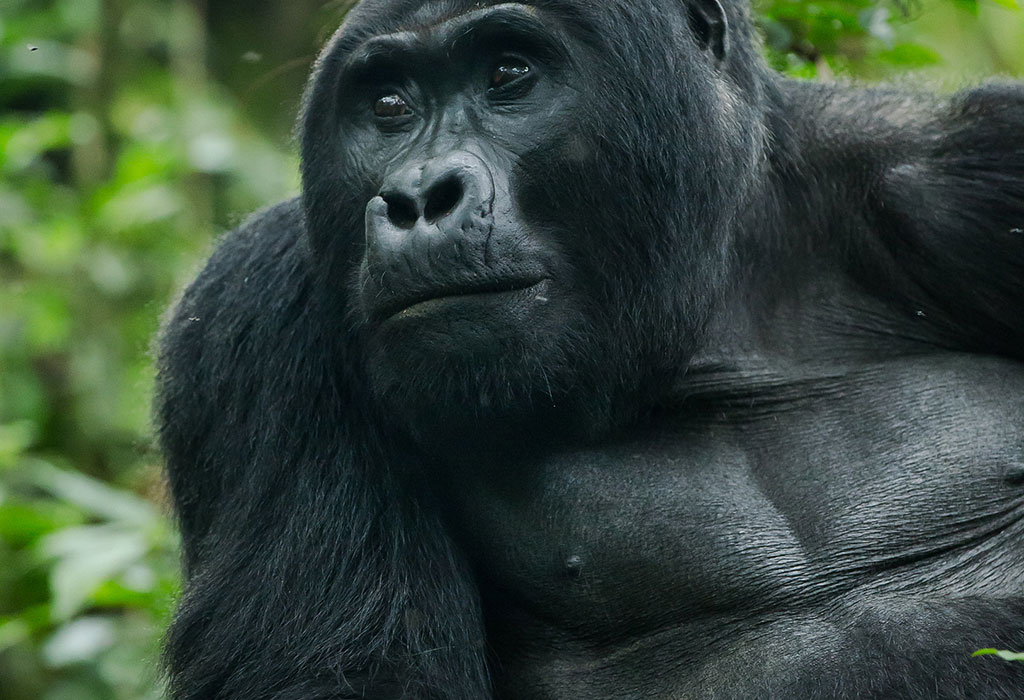
Gorilla trekking is one of Africa’s most extraordinary wildlife experiences. Every year, thousands of travelers journey to the lush tropical forests of Uganda, Rwanda, and the Democratic Republic of Congo with one dream in mind: spending one unforgettable hour with endangered mountain gorillas in their natural habitat. While the encounter itself is breathtaking, many first-time visitors often ask one important question before booking their safari: How physically demanding is gorilla trekking? It is a valid concern because the trek involves hiking through mountainous terrain, thick vegetation, muddy trails, and changing weather conditions. However, the answer is not as simple as saying it is either easy or difficult. The experience varies from one trek to another depending on several factors including the location of the gorilla family, the weather, your physical fitness, and even your luck on the day of the trek. At Wagatil Safaris, we believe that understanding what to expect helps travelers prepare well, enjoy the journey, and create lifelong memories without unnecessary anxiety.
Understanding Physically Demanding Gorilla Trekking
Before deciding whether gorilla trekking is right for you, it helps to understand what actually makes the activity physically demanding. Unlike hiking on established trails in national parks, gorilla trekking takes place inside dense tropical rainforests where the terrain remains largely untouched. Rangers begin by tracking the gorillas early in the morning before visitors set off. Since mountain gorillas move freely through the forest in search of food, there is no fixed trail leading to them. This means that every trek is unique. On some days, the gorillas may remain close to the starting point, allowing visitors to reach them within one or two hours. On other days, they may travel higher into the mountains or deeper into the forest, requiring hikes that can last six hours or even longer. The unpredictable nature of the trek is one of the reasons why many people describe gorilla trekking as an adventure rather than a simple walk.
The forests themselves present additional challenges. Visitors often climb steep hills, descend slippery slopes, cross small streams, navigate tangled vines, and walk through thick undergrowth. During the rainy season, muddy trails become even more challenging. Rangers frequently use machetes to clear paths through vegetation, making every trek feel like an authentic wilderness experience. Despite these challenges, experienced guides carefully assess each group’s pace and ensure that everyone moves safely through the forest.
What Determines the Difficulty of Gorilla Trekking?
Many factors influence the level of physically demanding gorilla trekking. Understanding these factors helps travelers prepare realistically instead of worrying unnecessarily.
The first factor is the location of the gorilla family on the trekking day. Mountain gorillas constantly move while feeding, resting, and interacting with one another. Some families stay in lower elevations while others climb high into mountainous regions. A nearby gorilla family can make the trek surprisingly easy, while a family located deeper in the forest may require several hours of hiking.
Another important factor is altitude. Uganda’s Bwindi Impenetrable National Park and Mgahinga Gorilla National Park, as well as Rwanda’s Volcanoes National Park, sit at elevations ranging from approximately 1,200 to over 2,600 meters above sea level. Hiking at these elevations naturally requires more effort because the air contains less oxygen than lower altitudes. Even visitors who regularly exercise at home may notice that they become tired more quickly.
Weather also plays a major role. Tropical rainforests receive rainfall throughout the year, although some months are wetter than others. Rain makes trails slippery and increases the effort needed to climb hills safely. Waterproof hiking boots and proper trekking gear therefore become essential rather than optional.
Personal fitness levels also vary greatly. Some visitors regularly participate in hiking, jogging, cycling, or gym workouts, while others have more sedentary lifestyles. Fortunately, gorilla trekking does not require elite athletic ability. Instead, moderate fitness, determination, and a positive attitude often matter far more than speed.
Physically Demanding Gorilla Trekking for Different Age Groups
One of the most encouraging aspects of gorilla trekking is that people of different ages successfully complete the experience every year. Visitors range from adventurous young adults to retirees in their seventies and even eighties. The official minimum age for gorilla trekking is 15 years. Beyond that, there is no upper age limit provided visitors are healthy enough to hike safely.
Older travelers often worry about whether they can manage the trek. In reality, many senior visitors complete gorilla trekking successfully because park authorities make efforts to allocate shorter and less demanding treks whenever possible. Although no guarantee exists, guides usually consider age, physical ability, and medical conditions during group allocation.
For travelers with mobility challenges, Uganda also offers the Gorilla Sedan Chair service. This specially designed stretcher allows trained porters to carry visitors who cannot hike independently through the forest. This remarkable service has enabled many elderly guests and people with disabilities to enjoy unforgettable gorilla encounters. Wagatil Safaris can arrange these services in advance for travelers who need additional assistance.
How Fit Should You Be for Gorilla Trekking?
One of the biggest misconceptions about gorilla trekking is that only highly trained hikers can complete it. In reality, average fitness is usually sufficient. If you can comfortably walk for several hours, climb flights of stairs, and manage moderate uphill walks, you are likely capable of completing most gorilla treks.
Preparing several weeks before your safari can make a significant difference. Simple activities such as brisk walking, hiking local trails, cycling, swimming, or using stairs instead of elevators gradually improve endurance. Strengthening leg muscles and improving cardiovascular fitness will help reduce fatigue during the trek. Stretching exercises also improve flexibility and reduce muscle soreness afterward.
Mental preparation matters just as much as physical preparation. Gorilla trekking is not a race. Rangers encourage visitors to walk at a comfortable pace, take regular breaks, drink water, and enjoy the beautiful rainforest along the way. Many travelers discover that the excitement of meeting mountain gorillas provides all the motivation they need to continue.
Essential Equipment Makes Gorilla Trekking Easier
Having the right equipment greatly reduces the challenges associated with physically demanding gorilla trekking. Investing in proper clothing and gear ensures greater comfort and safety throughout the experience.
Good waterproof hiking boots with strong ankle support rank among the most important items. Slippery trails, uneven ground, and muddy slopes make ordinary sneakers unsuitable. Long trousers protect against stinging plants, insects, and thorny vegetation, while long-sleeved shirts reduce scratches from branches. Waterproof rain jackets remain essential because rain showers can occur unexpectedly even during the dry season.
Gardening gloves or lightweight trekking gloves provide extra protection when grabbing branches for balance. A comfortable backpack should carry drinking water, snacks, sunscreen, insect repellent, extra camera batteries, and personal medications. Walking sticks, which parks often provide free of charge, significantly improve stability during steep climbs and descents.
Many visitors also hire local porters. Besides supporting community livelihoods, porters carry bags and offer physical assistance across difficult sections of the trail. Their help allows visitors to focus on enjoying the experience rather than struggling with heavy backpacks.
How Long Does Gorilla Trekking Last?
Many people mistakenly believe that every gorilla trek lasts the entire day. In reality, trekking duration varies considerably depending on where the gorillas are found. Some fortunate visitors reach their assigned gorilla family within 30 minutes to one hour. Others may hike between three and six hours before locating the gorillas. Rarely, treks can extend beyond seven hours.
Once the gorillas are located, every visitor spends exactly one hour observing them. This regulation protects the gorillas by limiting human exposure while giving visitors enough time to watch feeding, grooming, playing, resting, and interacting naturally. Most travelers later agree that every minute of hiking feels worthwhile once they stand only a few meters away from these magnificent primates.
Tips for Managing Physically Demanding Gorilla Trekking
Preparing well allows almost anyone with reasonable health to enjoy gorilla trekking comfortably. Begin drinking enough water before the trek to stay hydrated. Eat a nutritious breakfast because hiking requires energy throughout the morning. Listen carefully to your guide’s instructions since they understand the forest better than anyone else.
Walking slowly conserves energy far better than rushing ahead. There is no prize for reaching the gorillas first. Instead, maintaining a steady rhythm helps prevent exhaustion. Taking short breaks whenever needed is perfectly acceptable because guides expect visitors to have different fitness levels.
Hiring a porter remains one of the smartest decisions many travelers make. Besides carrying luggage, porters offer hands during steep climbs, slippery descents, and stream crossings. Their assistance increases confidence, especially for first-time trekkers.
Most importantly, maintain a positive attitude. Every challenging hill brings you closer to one of the world’s rarest wildlife encounters. The sense of achievement after reaching the gorillas often becomes one of the most rewarding parts of the journey itself.
Is Physically Demanding Gorilla Trekking Worth the Effort?
Without hesitation, the answer is yes. Few wildlife experiences compare with standing quietly in a rainforest while a family of endangered mountain gorillas goes about its daily life just meters away. Watching a dominant silverback protect his family, seeing playful juveniles tumble through the vegetation, or observing a mother gently care for her infant creates emotional moments that photographs alone can never capture.
Many visitors initially worry about the physical challenge but later describe the trek as one of the greatest adventures of their lives. The effort becomes part of the story they proudly share with friends and family after returning home. Every muddy boot, every steep climb, and every drop of sweat contributes to an experience that feels authentic, meaningful, and unforgettable.
At Wagatil Safaris, our experienced safari specialists carefully plan each gorilla trekking itinerary according to your fitness level, travel preferences, and overall expectations. We guide you through permit booking, accommodation selection, transportation, packing advice, and every step of your adventure to ensure your gorilla safari becomes enjoyable from beginning to end.
Final Thoughts on Physically Demanding Gorilla Trekking
If you have been wondering whether gorilla trekking is physically demanding, the honest answer is that it can be. However, the level of difficulty varies significantly depending on the gorillas’ location, weather conditions, altitude, and your own fitness level. Most travelers with average health and reasonable preparation complete the trek successfully. With proper equipment, experienced guides, supportive porters, and realistic expectations, the challenge becomes manageable and incredibly rewarding.
Rather than focusing only on the physical effort, remember the extraordinary reward waiting at the end of the journey. Few moments rival the excitement of making eye contact with a wild mountain gorilla in its natural habitat. That single hour often becomes the highlight of an African safari and remains unforgettable for a lifetime. When you book your adventure with Wagatil Safaris, you gain expert guidance, personalized support, and a dedicated team committed to making your gorilla trekking experience safe, comfortable, and truly exceptional.


