How to Plan a Multi-Day Safari in Uganda with Wagatil Safaris Guide

The Untold Beauty of Uganda Tropical Rainforests with Wagatil Safaris
June 26, 2026
5-Day Rwanda Gorilla Trekking and Akagera Wildlife Safari
June 26, 2026

How to Plan a Multi-Day Safari in Uganda
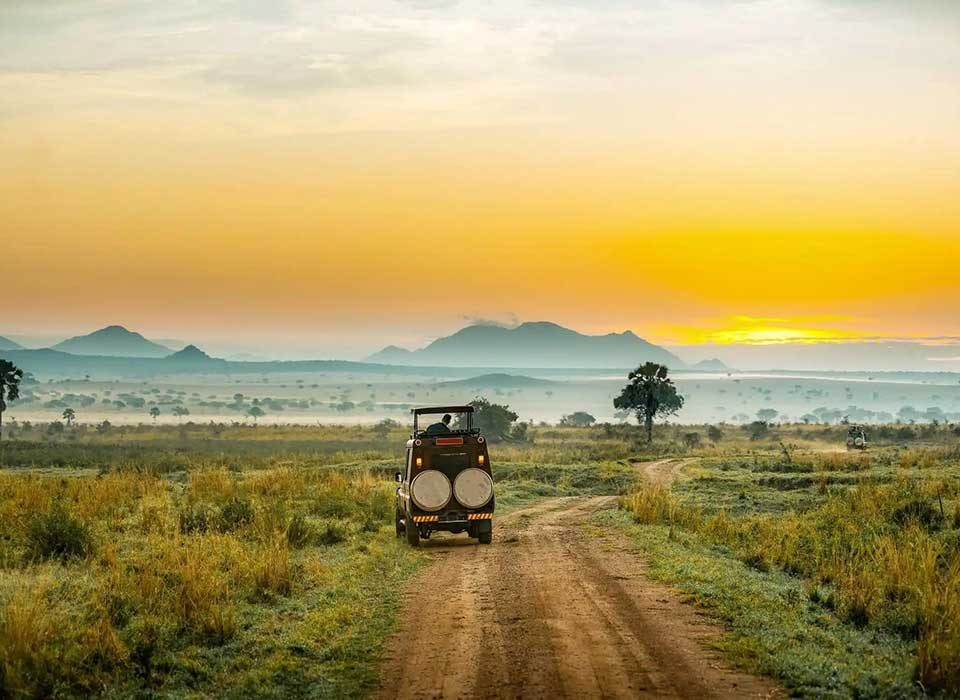
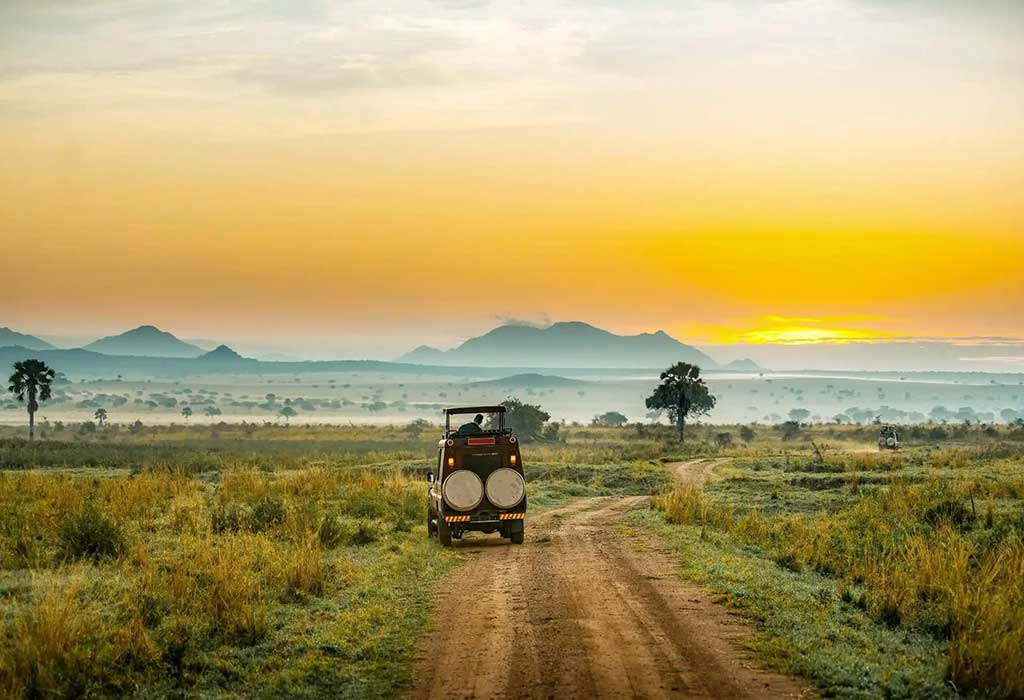
Planning a multi-day safari in Uganda is an exciting journey that blends adventure, nature, and cultural discovery. Uganda offers some of Africa’s most diverse safari experiences, from gorilla trekking in misty rainforests to classic game drives across savannah parks filled with elephants, lions, and giraffes. A well-planned itinerary helps you enjoy every moment without stress while making the most of your time in the Pearl of Africa. With the support of a trusted operator like Wagatil Safaris, travelers can explore Uganda smoothly, safely, and meaningfully while connecting deeply with wildlife, landscapes, and local communities.
Understanding What a Multi-Day Safari in Uganda Involves
A multi-day safari in Uganda usually lasts between three and fourteen days, depending on how many destinations you want to explore. Unlike a single-day trip, it combines different national parks, activities, and travel experiences into one continuous journey. This allows you to see Uganda’s contrasting ecosystems, including savannahs, wetlands, mountains, and tropical rainforests.
Most safaris include game drives, boat cruises, guided nature walks, and primate trekking. Each activity happens in different locations, so travel time between destinations is an important part of planning. Uganda’s roads connect major parks, but journeys can take several hours. Therefore, pacing your itinerary properly ensures comfort and enjoyment throughout the trip.
A multi-day safari also involves accommodation planning. Options range from budget lodges and mid-range camps to luxury safari lodges. Each provides a different level of comfort, but all are designed to keep you close to nature. Choosing the right combination of destinations, activities, and lodges is the foundation of a successful safari experience.
Choosing the Best Time for a Multi-Day Safari in Uganda
Timing plays a major role in how enjoyable your safari will be. Uganda has a tropical climate, which means it experiences two dry seasons and two rainy seasons. The dry seasons, from June to August and December to February, are generally considered the best time for a multi-day safari in Uganda.
During these months, wildlife viewing becomes easier because animals gather around water sources, and vegetation is less dense. Roads and safari tracks are also more accessible, making travel smoother between parks. Gorilla trekking trails in Bwindi and chimpanzee tracking paths in Kibale are less muddy, improving hiking conditions.
However, the rainy seasons also have advantages. From March to May and September to November, landscapes become greener, bird activity increases, and tourist crowds are lower. This creates a more peaceful experience for travelers who prefer fewer visitors and dramatic scenery. Wildlife remains active throughout the year, so safaris are always rewarding regardless of season.
Selecting the Right Destinations for Your Safari
Uganda offers a wide range of destinations, and choosing the right combination is key to planning a successful multi-day safari in Uganda. Most itineraries combine wildlife parks, rainforest regions, and cultural stops.
Queen Elizabeth National Park is one of the most popular destinations. It is famous for tree-climbing lions in Ishasha, large elephant herds, hippos in the Kazinga Channel, and diverse landscapes that include savannah, wetlands, and crater lakes. Boat cruises here offer close encounters with crocodiles, buffaloes, and birdlife.
Murchison Falls National Park is another highlight. It features powerful waterfalls where the Nile River squeezes through a narrow gorge before exploding into a dramatic drop. Game drives reveal lions, giraffes, leopards, and antelopes, while boat safaris provide excellent wildlife viewing along the riverbanks.
Bwindi Impenetrable National Park is essential for gorilla trekking. Kibale National Park is ideal for chimpanzee tracking. Lake Mburo National Park offers short safaris close to Kampala and is perfect for walking safaris and cycling experiences. Combining these destinations creates a complete Uganda safari experience.
Wagatil Safaris helps travelers select destinations based on interests, budget, and available time, ensuring a balanced and realistic itinerary.
Planning Your Safari Activities
Activities define the quality of your multi-day safari in Uganda. Each destination offers unique experiences that should be carefully arranged in your itinerary.
Game drives are the most common safari activity. They take place in the early morning or late afternoon when animals are most active. Experienced guides help you spot wildlife and explain animal behavior, tracks, and ecosystems.
Boat cruises offer a different perspective. On the Nile in Murchison Falls or the Kazinga Channel in Queen Elizabeth National Park, travelers see hippos, crocodiles, elephants, and birds from the water. These cruises are peaceful and ideal for photography.
Primate trekking is one of Uganda’s most famous activities. Gorilla trekking in Bwindi is physically demanding but incredibly rewarding. Chimpanzee tracking in Kibale or Budongo offers fast-paced forest adventures filled with sounds, movement, and close wildlife encounters.
Nature walks, cultural visits, and birdwatching experiences add depth to the safari. These activities allow travelers to slow down and appreciate Uganda’s landscapes and communities more closely.
Accommodation Options During a Multi-Day Safari
Accommodation is an important part of planning a multi-day safari in Uganda because it affects comfort, budget, and overall experience. Uganda offers a wide range of lodges located inside or near national parks.
Budget travelers can choose basic lodges and campsites that provide essential services and close access to nature. Mid-range lodges offer more comfort, including private rooms, hot showers, and restaurant services. Luxury lodges provide high-end experiences with stunning views, fine dining, and personalized service.
Staying inside or near national parks reduces travel time for early morning activities. It also increases chances of seeing wildlife near lodges, especially in areas like Queen Elizabeth and Murchison Falls.
Wagatil Safaris carefully selects accommodation based on safety, location, comfort, and client preference. This ensures travelers enjoy rest and relaxation after long safari days.
Transportation and Travel Planning
Transportation is a major factor in a multi-day safari in Uganda because most parks are located several hours from Kampala or Entebbe. Safari vehicles are usually 4×4 land cruisers designed for rough roads and off-road travel.
Travel between destinations can range from three to eight hours depending on distance. For example, Kampala to Queen Elizabeth National Park takes about six hours, while Kampala to Murchison Falls takes about five hours. Bwindi is farther and may require overnight stops.
Domestic flights are also available for travelers who prefer faster travel between parks. These flights reduce road time and provide aerial views of Uganda’s landscapes.
Good planning ensures travel days are not too tiring. It is important to balance long drives with rest periods and nearby overnight stays.
Budgeting for a Multi-Day Safari in Uganda
Budget planning is essential when organizing a multi-day safari in Uganda. Costs vary depending on accommodation level, number of days, park fees, transport, and activities.
Gorilla trekking permits are among the most expensive items but are also the highlight of many safaris. Chimpanzee tracking permits, park entrance fees, accommodation, transport, and guide services also contribute to the total cost.
Travelers can choose budget, mid-range, or luxury safari packages depending on their financial plan. Group tours help reduce costs because expenses are shared among participants.
Wagatil Safaris provides customized packages that balance cost and experience, ensuring travelers receive value without compromising quality.
Packing Essentials for a Safari
Packing correctly improves comfort during a multi-day safari in Uganda. Lightweight clothing, long-sleeved shirts, and neutral colors are recommended for game drives and forest walks. Warm layers are useful for early morning activities.
Comfortable hiking boots are essential for gorilla trekking and nature walks. A rain jacket is necessary due to Uganda’s unpredictable weather. Other important items include sunscreen, insect repellent, binoculars, a camera, and a reusable water bottle.
Travel documents such as passports, permits, and insurance should always be kept safe and accessible.
Health and Safety Considerations
Health and safety are important when planning a multi-day safari in Uganda. Travelers are advised to get vaccinations such as yellow fever before entering the country. Malaria prevention is also recommended because Uganda is a tropical destination.
Following park rules ensures safety during wildlife encounters. Maintaining distance from animals, listening to guides, and avoiding sudden movements help prevent risks.
Wagatil Safaris ensures all safety guidelines are followed during tours, providing trained guides and well-maintained vehicles for secure travel.
Why Travel with Wagatil Safaris
Choosing Wagatil Safaris for a multi-day safari in Uganda ensures a smooth and memorable experience. The company provides expert guides, well-planned itineraries, comfortable transport, and reliable support throughout the journey.
Each safari is customized based on traveler interests, whether focusing on wildlife, primates, culture, or photography. Wagatil Safaris also emphasizes responsible tourism, helping protect Uganda’s wildlife and support local communities.
This approach ensures that every trip is not only enjoyable but also meaningful and sustainable.
Conclusion
Planning a multi-day safari in Uganda requires thoughtful preparation, but the reward is an unforgettable adventure through one of Africa’s most beautiful destinations. From savannah wildlife to rainforest primates, Uganda offers diverse experiences that cannot be found in one place anywhere else in the world.
With proper timing, destination selection, budgeting, and expert guidance, travelers can enjoy a seamless journey filled with discovery and excitement. Wagatil Safaris makes this process easier by handling logistics and ensuring every detail is carefully managed.
A well-planned safari is more than a trip; it is a journey into nature, culture, and lifelong memories.
Contents
- 1. How to Plan a Multi-Day Safari in Uganda
- 2. Understanding What a Multi-Day Safari in Uganda Involves
- 3. Choosing the Best Time for a Multi-Day Safari in Uganda
- 4. Selecting the Right Destinations for Your Safari
- 5. Planning Your Safari Activities
- 6. Accommodation Options During a Multi-Day Safari
- 7. Transportation and Travel Planning
- 8. Budgeting for a Multi-Day Safari in Uganda
- 9. Packing Essentials for a Safari
- 10. Health and Safety Considerations
- 11. Why Travel with Wagatil Safaris
- 12. Conclusion