Walking Safaris in Lake Mburo National Park

What Wildlife Can You See in Murchison Falls National Park?
June 2, 2026
Why Uganda Is Africa’s Most Underrated Safari Destination
June 2, 2026

A walking safari is one of the most exciting ways to experience wildlife in Uganda. Unlike traditional game drives, where visitors observe animals from the comfort of a vehicle, walking safaris place you directly in nature. Every sound, footprint, and movement becomes part of the adventure. Among Uganda’s national parks, Lake Mburo National Park stands out as the best destination for guided walking safaris.
Located in western Uganda, Lake Mburo National Park is the country’s smallest savannah national park. Despite its size, it offers remarkable wildlife diversity and beautiful landscapes. The park is known for its rolling hills, open grasslands, acacia woodlands, and numerous lakes. Most importantly, it is one of the few places in Uganda where visitors can safely explore the wilderness on foot alongside experienced ranger guides.
For travelers seeking a more intimate connection with nature, walking safaris in Lake Mburo National Park provide an unforgettable experience that is very different from a conventional safari.
Why Lake Mburo Is Uganda’s Best Destination for Walking Safaris
Not every national park is suitable for walking safaris. Large predator populations and dense wildlife concentrations can make walking difficult in some locations. Lake Mburo National Park offers an ideal environment because it has a relatively low density of dangerous predators compared to other major parks.
This allows visitors to move through the wilderness under the guidance of armed rangers while enjoying close views of wildlife. Instead of observing animals from a distance through a vehicle window, guests can appreciate the sights, sounds, and smells of the African bush firsthand.
The park’s varied habitats also make every walk unique. Visitors can explore open savannahs, wooded areas, rocky outcrops, and lakeshores, all within a relatively short distance.
What to Expect During a Walking Safari
Walking safaris usually begin early in the morning when temperatures are cooler and wildlife is more active. Visitors meet their ranger guide for a briefing before entering the park on foot.
As the walk begins, the pace is relaxed and focused on observation. Rangers point out animal tracks, bird calls, plants, and signs of recent wildlife activity that many visitors would never notice during a game drive.
One of the most fascinating aspects of a walking safari is learning how to read the landscape. Guides explain how they identify different animal footprints, determine the direction of movement, and recognize feeding or resting areas.
Because you are moving quietly through the environment, wildlife encounters often feel more personal and rewarding.
Wildlife You Can See on a Walking Safari
Lake Mburo National Park is famous for its abundance of herbivores, many of which can be observed during guided walks. Zebras are among the most common animals encountered. Large herds graze peacefully across the grasslands, providing excellent photography opportunities.
Impalas are another highlight. In fact, Lake Mburo is the only national park in Uganda where visitors can regularly see these elegant antelopes. Their graceful movements and alert behavior make them fascinating to observe on foot.
Visitors may also encounter elands, which are the largest antelope species in Africa. These impressive animals can weigh several hundred kilograms, yet they move surprisingly gracefully through the landscape.
Other commonly seen wildlife includes topis, bushbucks, waterbucks, warthogs, and buffaloes. While buffaloes require extra caution, experienced guides ensure that all encounters remain safe and controlled.
The Unique Thrill of Tracking Wildlife on Foot
Walking through the African wilderness creates a level of excitement that is difficult to replicate in a vehicle. Every rustle in the grass and every fresh footprint adds to the sense of adventure.
Unlike game drives, where vehicles often cover large distances quickly, walking safaris encourage visitors to slow down and appreciate the finer details of nature. You begin to notice insects, birds, plants, and animal behavior that might otherwise go unnoticed.
Tracking animals on foot also creates a deeper understanding of the ecosystem. Visitors gain insight into how different species interact with their environment and each other.
This immersive experience often becomes one of the most memorable parts of a Uganda safari.
Birdlife During Walking Safaris
Lake Mburo National Park is a paradise for bird enthusiasts. More than 350 bird species have been recorded within the park, making it an excellent destination for birdwatching.
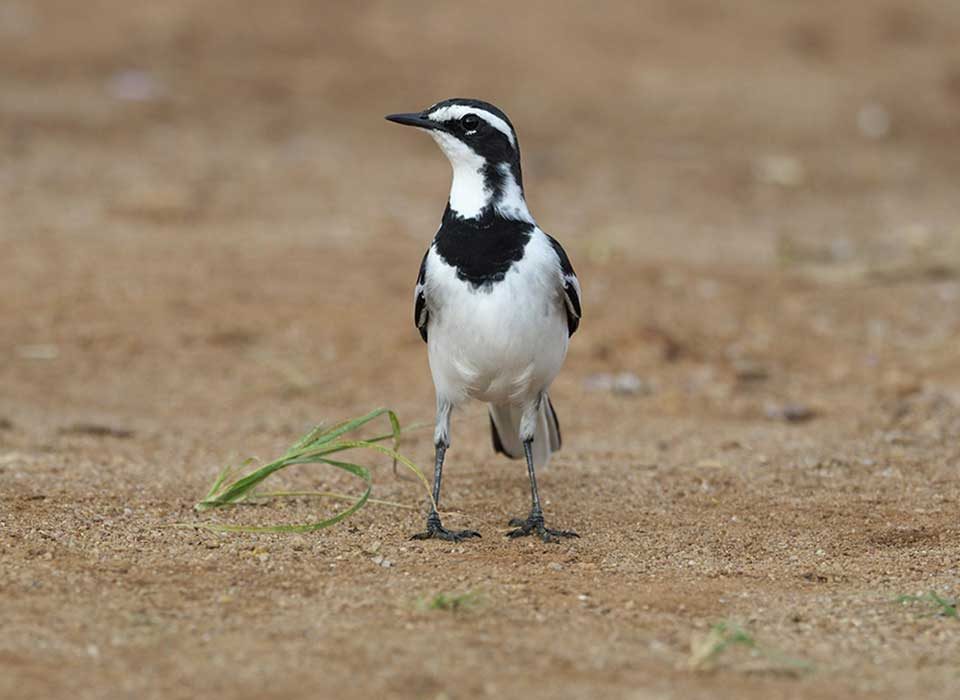
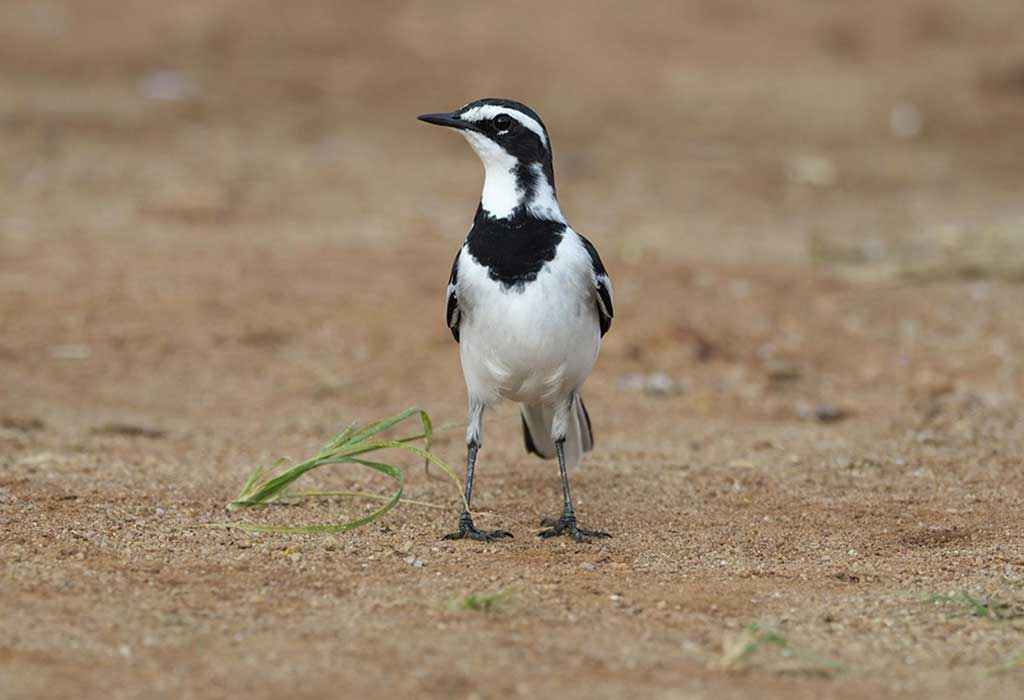
Walking safaris provide unique opportunities to observe birds at a slower pace than game drives allow. Visitors may spot African fish eagles, kingfishers, bee-eaters, hornbills, herons, and many other species.
The wetlands and lakeshores are particularly productive areas for birdwatching. Guides often help visitors identify species based on calls, behavior, and physical characteristics.
Even travelers who are not dedicated birdwatchers often develop a greater appreciation for Uganda’s birdlife during these guided walks.
Exploring the Landscape Beyond Wildlife
One of the greatest advantages of a walking safari is the opportunity to appreciate the landscape itself. Lake Mburo National Park features rolling hills, rocky ridges, seasonal wetlands, and scenic viewpoints that are often best experienced on foot.
Visitors can pause to enjoy panoramic views, learn about native plants, and understand how different habitats support wildlife populations. The slower pace encourages a stronger connection with the environment.
Photography enthusiasts also appreciate the flexibility that walking safaris provide. Without the limitations of a vehicle, it becomes easier to capture unique angles and close-up details of nature.
Safety During Walking Safaris
Safety is a top priority during all walking safaris in Lake Mburo National Park. Every walk is led by trained and armed ranger guides who understand animal behavior and know how to respond in different situations.
Before the walk begins, participants receive instructions on how to behave around wildlife. Rangers explain the importance of remaining calm, following directions, and maintaining appropriate distances from animals.
Because of these strict safety procedures, walking safaris have become one of the most popular and rewarding activities in the park.
Combining Walking Safaris with Other Activities
Many visitors combine walking safaris with other experiences in Lake Mburo National Park. Game drives remain a popular way to explore larger areas and search for wildlife. Boat cruises on Lake Mburo offer opportunities to see hippos, crocodiles, and water birds from a different perspective.
Horseback safaris are another unique activity available in the park. Together, these experiences create a diverse itinerary that showcases the park from multiple viewpoints.
For travelers driving between Entebbe and Bwindi Impenetrable National Park, Lake Mburo also serves as an excellent stopover destination.
Best Time for Walking Safaris in Lake Mburo
Walking safaris are available throughout the year, but many visitors prefer the dry seasons. These periods generally occur from June to September and from December to February.
During the dry months, trails are easier to navigate and wildlife often concentrates around water sources. However, the rainy seasons bring lush green landscapes and excellent birdwatching opportunities.
Because wildlife remains present year-round, walking safaris can be rewarding regardless of when you visit.
Why Walking Safaris Create Lasting Memories
Many travelers arrive in Uganda expecting game drives and wildlife viewing from vehicles. While those experiences are exciting, walking through the African bush offers a completely different perspective.
The ability to stand quietly among grazing zebras, follow fresh animal tracks, and experience the wilderness without barriers creates powerful memories. Visitors often leave with a greater appreciation for nature and a deeper understanding of wildlife conservation.
Walking safaris transform visitors from observers into participants in the natural environment.
Final Thoughts
Walking safaris in Lake Mburo National Park offer one of the most unique wildlife experiences in Uganda. They provide an intimate way to explore the African wilderness while learning about animal behavior, ecosystems, and conservation.
From encounters with zebras and impalas to birdwatching and tracking wildlife on foot, every walk reveals something new. The combination of beautiful scenery, diverse wildlife, and expert guiding makes Lake Mburo the premier destination for walking safaris in Uganda.
With careful planning from Wagatil Safaris, visitors can include a walking safari as part of a broader Uganda adventure and discover a side of the African wilderness that many travelers never experience.